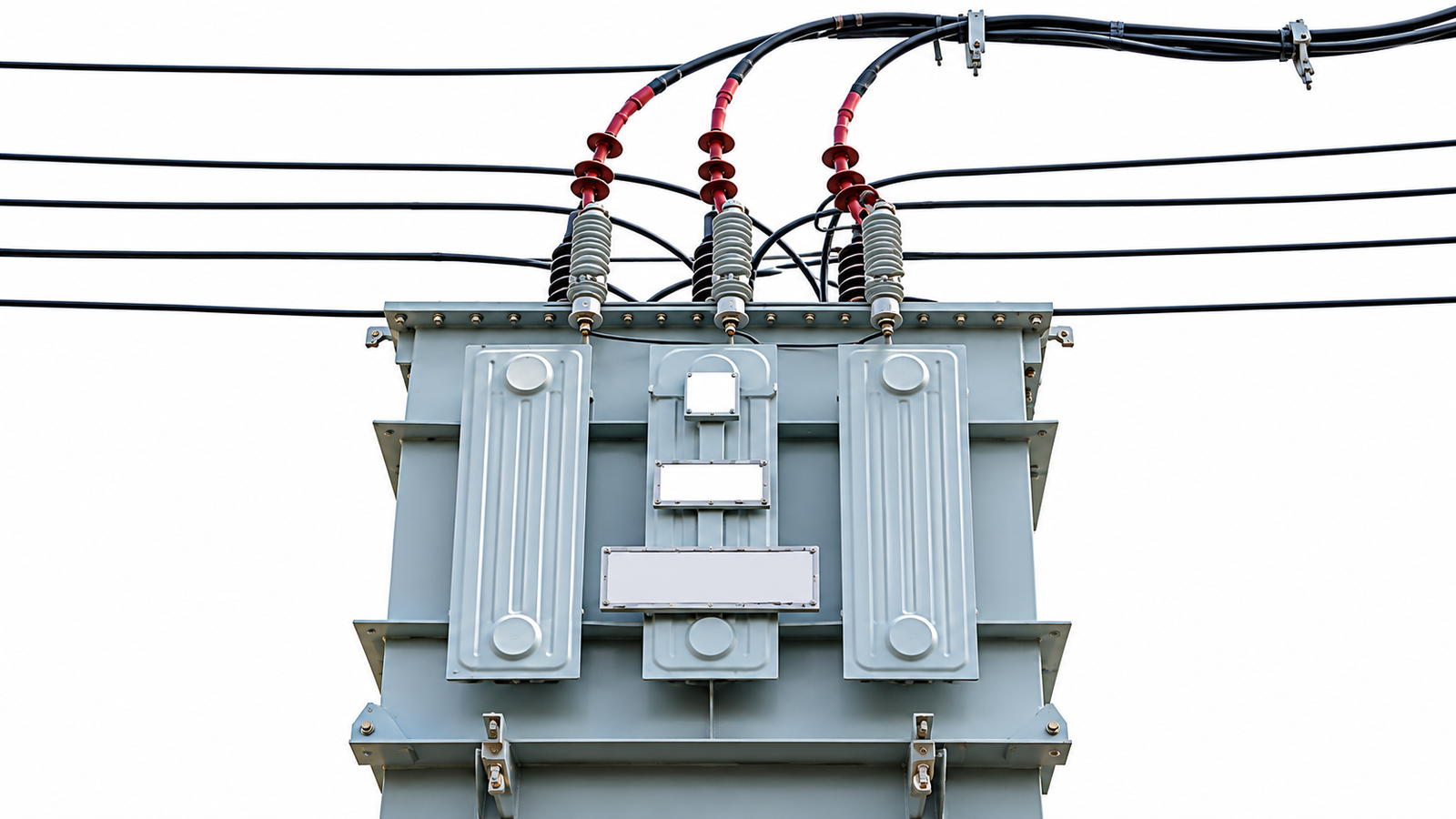

A reliable electrical distribution network depends on equipment that can handle changing power demands while maintaining a stable supply. Transformers are central to this process, particularly in commercial facilities, industrial plants and utility networks where electricity must be delivered at suitable voltage levels. A 3 phase distribution transformer helps distribute electrical power efficiently across multiple loads, supporting equipment that requires a consistent three-phase supply. Understanding its construction, operating principles and installation requirements can help businesses and electrical engineers make informed decisions when planning or upgrading a power distribution system.
How Three-Phase Power Distribution Works
Three-phase electricity uses three alternating currents that operate at the same frequency but differ in phase by 120 degrees. This arrangement provides a continuous transfer of power, making it suitable for applications with substantial electrical requirements.
Unlike single-phase systems, three-phase networks can supply larger loads with relatively efficient conductor use. They are commonly found in manufacturing facilities, commercial buildings, water treatment plants, data centres and other sites that operate heavy electrical equipment.
A distribution transformer receives electrical power at a particular voltage and converts it to a lower level suitable for local consumption. The output voltage depends on the system design and the requirements of connected equipment.
The transformer must also be compatible with the distribution network’s frequency, load characteristics, grounding arrangement and protection requirements.
Main Components and Their Functions
A distribution transformer contains several components that work together to transfer electrical energy through electromagnetic induction.
1. Magnetic Core
The core provides a controlled path for magnetic flux between the primary and secondary windings. It is commonly manufactured from laminated electrical steel to reduce eddy current losses. Core material and construction influence the transformer’s efficiency, noise and operating temperature.
2. Primary and Secondary Windings
The primary winding receives electrical energy from the incoming supply, while the secondary winding delivers power at the required output voltage. Copper and aluminium are commonly used as winding materials. Their selection depends on electrical ratings, thermal performance, cost and design requirements.
3. Insulation System
Insulation separates conductive components and prevents electrical breakdown. Depending on the transformer design, insulation may include oil, paper, resin or other approved materials. Its condition directly affects equipment safety and service life.
4. Cooling Arrangement
Transformers generate heat during operation because of electrical and magnetic losses. Cooling systems help control operating temperatures. Oil-immersed models use insulating liquid to transfer heat, while dry-type models rely on air circulation and their insulation construction.
5. Protective Accessories
Depending on the design, accessories may include temperature indicators, pressure relief devices, oil level indicators, surge protection and monitoring equipment. These components help operators identify abnormal conditions before they develop into serious faults.
Where These Transformers Are Commonly Used
Three-phase distribution equipment supports a wide range of electrical applications.
- Manufacturing facilities: Production machinery, industrial motors, compressors and automated equipment require dependable electrical distribution.
- Commercial buildings: Shopping centres, office complexes and large retail facilities use three-phase power for lifts, HVAC systems and other building services.
- Infrastructure projects: Water treatment plants, pumping stations and transport facilities depend on transformers to supply essential electrical equipment.
- Renewable energy installations: Solar and other power generation projects may use distribution transformers to connect electrical output with local distribution networks.
- Industrial warehouses: Large storage facilities require power for material-handling systems, lighting, refrigeration and mechanical equipment.
Selecting the correct transformer capacity for these applications helps prevent excessive loading and supports stable operation.
Understanding Pad-Mounted Transformer Designs
Outdoor electrical distribution systems often require equipment that can be installed at ground level without occupying substantial space. A 3 phase pad mount transformer is designed for this purpose and is commonly installed on a concrete foundation.
Its enclosure protects internal electrical components from environmental exposure and restricts unauthorised access to energised parts. These transformers are generally used in underground distribution networks, where incoming and outgoing cables connect through protected compartments.
Pad-mounted designs are suitable for commercial developments, industrial properties, residential communities and utility installations. Their compact arrangement can simplify site planning, particularly where overhead distribution equipment is unsuitable.
A three phase pad mounted transformer may be supplied with different voltage ratings, power capacities, winding configurations and connection arrangements. Engineers must assess these specifications against the electrical network and the intended application before selecting a unit.
Factors to Consider Before Selecting a Transformer
Choosing a transformer involves more than matching its capacity to the expected electrical load. Several technical and practical considerations influence its suitability.
Load Capacity
The transformer’s kVA rating should accommodate the expected connected load and anticipated demand. Engineers should account for motor starting currents, load diversity and possible future expansion. An undersized unit may experience excessive heating, while an unnecessarily large unit can increase initial investment and operating losses.
Input and Output Voltage
The primary voltage must match the available supply, and the secondary voltage must meet the requirements of connected equipment. Incorrect voltage selection can cause equipment malfunction, insulation stress and operational problems.
Connection Configuration
Common three-phase winding arrangements include delta and star configurations. The appropriate arrangement depends on the distribution system, neutral requirements, grounding method and connected loads.
Installation Environment
Indoor and outdoor installations have different requirements. Engineers should consider ambient temperature, ventilation, humidity, dust, corrosion exposure and available installation space.
Efficiency and Energy Losses
Transformers experience two main categories of losses: core losses and winding losses. Core losses occur whenever the transformer is energised, while winding losses increase with load current. Comparing efficiency ratings can help businesses estimate long-term electricity costs.
Safety and Compliance
Equipment should meet applicable electrical standards and local regulations. Protection coordination, earthing, cable sizing, clearances and maintenance access must also be addressed during installation planning.
Why Transformer Maintenance Matters
Regular maintenance helps identify developing faults and reduces the likelihood of unexpected equipment failures. Maintenance requirements vary according to transformer type, operating conditions and manufacturer recommendations.
For oil-immersed equipment, inspections may include checking oil levels, examining leakage, assessing insulation condition and testing oil quality where appropriate. Dry-type units may require cleaning, ventilation checks and inspection of insulation surfaces.
Electrical inspections can include winding resistance measurements, insulation resistance testing, thermographic surveys and protective device checks. These tests should be performed by qualified personnel using suitable procedures.
Operators should also monitor unusual noise, overheating, discolouration, vibration and repeated protective device operation. Any abnormal condition requires investigation before the equipment returns to normal service.
A maintenance schedule based on operating conditions and manufacturer guidance helps extend equipment life and maintain dependable power distribution.
Planning for Future Electrical Demand
Electrical requirements can change as businesses expand, production equipment is added or building services are upgraded. Transformer selection should account for realistic future demand rather than focusing exclusively on present consumption.
For larger facilities, engineers may evaluate load profiles, peak demand, power factor and expected equipment additions before finalising the transformer rating. These calculations help determine whether the existing electrical infrastructure can accommodate planned changes.
Modern three phase pad mounted transformers may also offer monitoring options that provide information about temperature, loading and operating conditions. Such data can assist maintenance teams in identifying abnormal performance and planning servicing activities.
Making an Informed Distribution Equipment Choice
A dependable electrical distribution system starts with equipment suited to its actual operating requirements. Understanding transformer capacity, voltage ratings, winding arrangements, insulation, cooling and installation conditions helps engineers select equipment that supports safe and efficient power delivery.
Businesses planning new electrical infrastructure or replacing ageing units should consult experienced transformer manufacturers and electrical specialists. A properly specified 3 phase distribution transformer can support demanding applications, reduce avoidable operating losses and provide a reliable foundation for long-term electrical operations.