
Closing an industrial facility is a major operational decision that requires considerably more planning than simply stopping production and removing equipment. Businesses must manage machinery, utilities, infrastructure, inventory, documentation, and remaining assets while coordinating employees and external service providers. Without a structured approach, the process can create unnecessary expenses, logistical complications, and delays. Plant decommissioning provides a systematic way to prepare a facility for closure, redevelopment, relocation, or a change in operational use. Understanding the stages involved helps businesses make informed decisions and manage the transition more efficiently.
1. What Is Plant Decommissioning?
Plant decommissioning refers to the planned process of taking an industrial facility or its equipment out of operation. Depending on the project, this may involve shutting down production, disconnecting machinery, removing industrial systems, recovering assets, and preparing the site for its next purpose.
The scope varies depending on the facility’s size, equipment, condition, and closure objectives. Some businesses may only need to remove selected production machinery, while others require a complete facility shutdown and equipment clearance.
See also: 3 Phase Distribution Transformer: Understanding Its Design, Applications and Selection
Understand the Purpose and Scope of Decommissioning
Before starting, businesses should determine why the facility is closing and what must happen to the site afterward. A facility may be closing because operations are moving elsewhere, production is being consolidated, equipment has become outdated, or the property is being repurposed.
These objectives influence the entire decommissioning process. For example, a business relocating production machinery to another site will have different handling and transportation requirements from one permanently retiring its equipment.
Defining the project scope early helps establish priorities, identify required resources, and determine which assets should be retained, transferred, recovered, or removed.
Identify the Main Activities Involved
Although every project has different requirements, most plant decommissioning projects involve several connected activities.
These may include:
- Reviewing equipment and facility inventories.
- Planning production shutdown activities.
- Isolating utilities and industrial systems.
- Dismantling and removing machinery.
- Recovering reusable equipment and materials.
- Managing waste and site clearance.
- Completing documentation and final inspections.
Understanding these activities allows businesses to establish a practical project sequence and assign responsibilities before physical work begins.
2. Assess Equipment, Infrastructure, and Existing Assets
A comprehensive facility assessment is one of the most important early stages of decommissioning. Industrial sites may contain production machinery, conveyor systems, electrical infrastructure, storage equipment, tools, and supporting utilities. Each asset requires an appropriate management decision. Businesses should understand what is present, its condition, and whether it needs to be relocated, recovered, recycled, or permanently removed.
Prepare a Detailed Asset Inventory
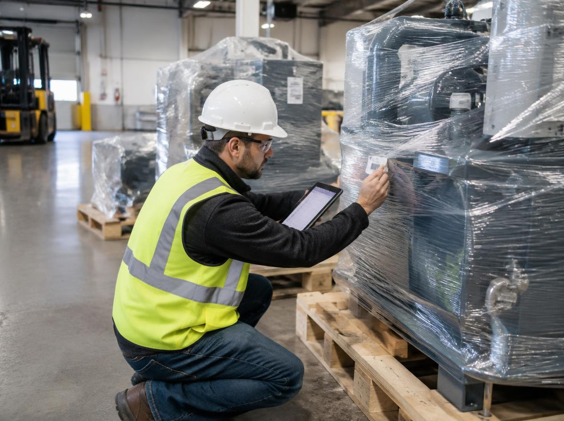
Begin by documenting all major equipment and infrastructure within the facility. Records should include equipment descriptions, identification numbers where available, quantities, locations, ownership details, and operating conditions.
Photographs and equipment documentation can help teams identify individual components during later dismantling activities.
Businesses should classify assets into practical categories, such as:
- Equipment intended for transfer to another facility.
- Machinery suitable for refurbishment or resale.
- Components that can be reused internally.
- Materials suitable for recycling.
- Items requiring specialised disposal.
An accurate inventory provides a reliable foundation for budgeting, scheduling, and coordinating the entire closure project.
Evaluate Equipment Removal and Handling Requirements
Industrial equipment can vary considerably in size, weight, configuration, and dismantling complexity. Some machinery may require specialist lifting arrangements, while interconnected systems may need to be separated in a particular sequence.
Businesses should assess access routes, available lifting space, equipment dimensions, and any structural considerations before removal begins.
Businesses relocating machinery to another facility can benefit from professional plant relocation services to coordinate dismantling, handling, transportation, and reinstallation while minimising unnecessary delays and disruptions.
3. Develop a Structured Shutdown and Decommissioning Schedule
A facility closure should follow a carefully organised sequence rather than relying on informal arrangements. Different departments, contractors, and technical teams may need to complete their responsibilities before equipment can be safely removed. Establishing a realistic schedule helps prevent overlapping activities, resource shortages, and unnecessary delays.
Plan Production Shutdown Activities
Businesses should determine when production will stop and identify which operations must be completed before the shutdown date.
This may involve fulfilling outstanding orders, transferring inventory, completing production records, and coordinating the movement of materials.
A practical shutdown plan should identify:
- Final production dates and operating responsibilities.
- Equipment that must remain operational temporarily.
- Inventory handling and transfer arrangements.
- Required employee and contractor schedules.
- Target dates for equipment removal and site clearance.
Planning these activities in advance helps businesses reduce confusion and create a clear transition from normal operations to decommissioning work.
Coordinate Contractors and Project Responsibilities
Large industrial closures often involve several service providers responsible for electrical work, mechanical dismantling, transportation, waste management, and facility clearance.
Without clear coordination, one team’s delays can prevent another from completing its work.
Businesses should appoint a project coordinator, establish communication procedures, and define responsibilities for each activity. Regular progress reviews can help identify scheduling conflicts and address issues before they affect the wider project.
A centralised project schedule also provides better visibility into completion targets and outstanding tasks.
4. Address Utilities, Safety, and Environmental Considerations
Industrial facilities may contain complex electrical, mechanical, and utility systems that require careful management during closure. These systems should not be disconnected or dismantled without appropriate planning and qualified personnel. Businesses must identify potential hazards, establish suitable isolation procedures, and understand how materials and remaining facility infrastructure will be managed.
Plan Utility Disconnection and Equipment Isolation
Before machinery removal begins, businesses should identify the utilities connected to the facility and determine the appropriate isolation sequence.
Depending on the site, these may include:
- Electrical power distribution systems.
- Compressed air and pneumatic connections.
- Water supply and drainage systems.
- Gas or other process utility connections.
- Mechanical and automated control systems.
Qualified personnel should manage relevant isolation and disconnection activities. Appropriate procedures should be documented and verified before equipment dismantling proceeds.
Early coordination helps prevent delays caused by unidentified connections or incomplete shutdown arrangements.
Consider Environmental Management and Site Requirements
Facilities may contain oils, lubricants, chemicals, batteries, electronic components, and other materials that require specific handling arrangements.
Businesses should identify these materials during the site assessment and determine appropriate storage, transportation, recycling, or disposal methods. Where specialist assessment is required, suitable professionals should be involved.
Environmental management should be incorporated into the project schedule rather than postponed until the final clearance stage.
Maintaining relevant waste records and disposal documentation also helps businesses demonstrate how materials were managed throughout the closure process.
5. Manage Asset Recovery and Equipment Relocation
Closing a facility does not mean that all its equipment has reached the end of its useful life. Many businesses can recover value by transferring functional machinery, selling surplus assets, refurbishing components, or recycling suitable materials. These decisions should be made before dismantling begins because equipment condition and handling requirements can influence the recovery outcome.
Identify Opportunities to Reuse or Recover Equipment
Businesses should evaluate machinery based on its condition, remaining operational value, and suitability for future requirements.
For example, a manufacturing business closing an older facility may be able to transfer selected production equipment to a newer location while selling machinery that is no longer required.
Asset recovery planning should consider:
- Current equipment condition and maintenance history.
- Potential refurbishment requirements.
- Transportation and handling costs.
- Resale or internal reuse opportunities.
- Availability of suitable storage facilities.
This evaluation helps businesses avoid unnecessary disposal and make more informed decisions about existing assets.
Coordinate Machinery Transfer With Relocation Requirements
When equipment is being moved to another operational site, dismantling and transportation must be coordinated with the receiving facility’s readiness.
Businesses should verify that the destination has sufficient space, suitable infrastructure, and appropriate equipment connections before arranging transportation.
Professional plant relocation services can support the practical requirements of equipment removal and transfer. Coordinating these activities with the decommissioning schedule helps avoid unnecessary storage, repeated handling, and delays during the transition.
6. Prepare for Final Site Clearance and Project Completion
Once machinery, utilities, and recoverable assets have been addressed, businesses must confirm that the remaining facility requirements have been completed. The final stage involves checking outstanding work, managing remaining materials, and documenting the site’s condition. Clear completion procedures help prevent unfinished tasks from creating additional costs after the project team has left the facility.
Complete Site Inspections and Documentation
A final inspection should confirm that planned equipment removal, waste management, and facility clearance activities have been completed.
Businesses should review project records, equipment transfer documents, maintenance information, and relevant disposal records. Any outstanding issues should be assigned to the appropriate personnel for resolution.
Where applicable, the site should also be reviewed against its agreed closure or handover requirements.
Maintaining organised records provides a useful reference for future property use, asset management, and internal project reviews.
Review Project Costs and Lessons Learned
Once decommissioning is complete, businesses should compare actual project expenses against the original budget.
Reviewing costs related to labour, equipment handling, transportation, asset recovery, waste management, and site preparation can reveal where planning was effective and where improvements are needed.
Documenting these findings helps businesses prepare more accurate budgets for future facility closures or relocations. It also provides valuable insight into asset management practices and project coordination.
Conclusion
Plant decommissioning is a structured process that requires careful planning across equipment assessment, production shutdown, utility isolation, asset recovery, machinery removal, and final site clearance. Businesses that define their objectives and establish clear responsibilities early can manage facility closures with greater control over project costs and timelines.
Integrating asset recovery and plant relocation services into the wider decommissioning strategy can also help organisations retain value from functional equipment and materials. MTLI Group supports industrial installation, relocation, and facility-related project requirements, helping businesses coordinate complex operational activities. With a clear decommissioning plan and appropriate technical support, organisations can prepare for facility closures while making informed decisions about their assets and future operations.