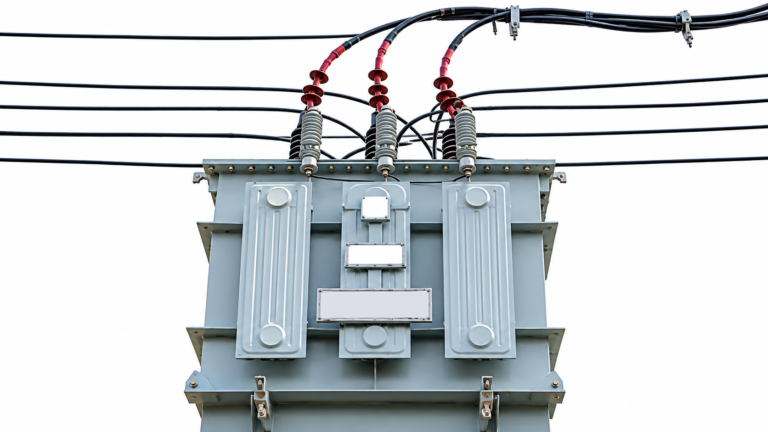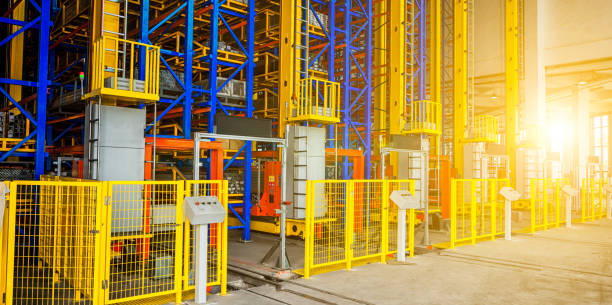

A 60-ton press looks calm sitting on a plant floor. The moment it comes off its foundation, it becomes one of the most dangerous objects in the building. Cranes, slings, floor loads and a few inches of clearance all start to matter at once. A good rigging company spends far more time planning a move than executing it, because by the time the load is in the air, every important decision has already been made.
The Plan Comes Before the Crane
Most people picture rigging as the lift itself, with the crane, the chains and the slow swing across the yard. That is the visible part. The real work happens weeks earlier, at a desk and on a walk-through of the site.
A proper rigging plan is a written document. It describes the load, the equipment, the route, the sequence and the people responsible for each step. It also names what could go wrong and what the crew will do about it. If a contractor tells you they will “figure it out on the day,” treat that as a reason to look elsewhere.
Heavy equipment movers who take safety seriously will insist on a site visit before quoting. Photos help, but they miss things like a low sprinkler pipe, a soft patch of pavement or a doorway that is two inches narrower than the drawing claims. Those small details are where moves go wrong.
Know the Load Before Anything Else
Everything starts with the machine itself. You need its actual weight, not the catalog weight, and ideally from a nameplate, a manufacturer document or a certified scale. Machines accumulate weight over the years through added components, coolant, fluids and modifications, and a figure copied from an old spec sheet can be badly off.
The center of gravity matters just as much. A machine does not hang level just because its weight is known. If the center of gravity sits off to one side, the load tilts when lifted, and the rigging has to be designed to deal with it. Tall, narrow machines and those with heavy motors at one end are the usual troublemakers.
Next come the lift points. Manufacturers often designate where a machine can be safely lifted, and those points are there for a reason. Lifting from an unapproved spot can bend frames, crack castings or damage precision components. If no lift points exist, an engineer should decide where and how to attach rigging, and not a crew guessing on the day.
Fragility is another factor. Some equipment, like a CNC machine or a calibrated press, can tolerate very little twisting or shock. The plan should account for how smooth the lift and transport need to be, and what protective measures apply.
Choosing the Right Lifting Equipment
Once the load is understood, the plan picks the tools. Cranes are the obvious choice for big vertical lifts, but they are far from the only one. Gantries and gantry systems suit indoor lifts where overhead cranes do not exist. Hydraulic jacks, skates and rollers move heavy machines across a floor with no lifting at all. Forklifts and telehandlers handle lighter loads.
Capacity is not a single number. A crane’s rating drops as the boom extends or the radius increases, so a crane rated for 100 tons may lift a fraction of that at the distance you actually need. The plan should use the manufacturer’s load chart for the specific setup, with a safety margin built in, and not the headline capacity on the sales sheet.
The rigging hardware deserves the same care. Slings, shackles, spreader bars and hooks all have their own working load limits, and the weakest piece sets the limit for the whole system. Sling angle changes everything. The shallower the angle, the greater the force on each leg, so a lift that looks fine with vertical slings can overload them when the legs spread wide.
Inspection records matter too. Rigging gear wears, and worn or damaged slings have no place near a critical lift. A good contractor can show you inspection tags and dates, and will happily do so.
Walk the Route
A machine has to get from where it is to where it is going, and the path in between is full of obstacles. The route survey covers everything the load will pass over, under or around.
Measure doorways, aisles, corners, overhead clearances and ceiling obstructions. Check floors for load capacity, because a machine that is fine on its foundation can crack a thin slab or punch through a trench cover once the weight concentrates on a few wheels or skates. Look for underground services, such as drains, tanks and utility lines, which can fail under a heavy crane outrigger.
Outdoor conditions also matter. Soft ground, slopes and uneven pavement can tip a crane, so outriggers often sit on cribbing or mats that spread the load. Overhead power lines are a serious hazard, and utilities may need to be contacted well ahead of time. Weather is part of the plan as well, since high winds can stop a lift that would otherwise be routine.
If the move involves public roads, add transport permits, route approvals, escorts and bridge limits. Oversize loads in Canada and elsewhere often need permits that depend on the dimensions and weight, and approvals take time. Build that into the schedule from the beginning.
Sequence, Roles and Communication
On the day, a lift should feel boring. That is the sign of a good plan. Everyone knows their job, the sequence has been rehearsed, and nobody improvises.
Roles are defined in advance. A lift supervisor runs the operation and has the authority to stop it. A crane operator handles the controls. Riggers attach and monitor the load, and a signal person gives clear communication to the operator. Everyone else stays out of the lift zone.
Communication follows a clear method, using standard hand signals or radios, with one person giving signals at a time. A clear stop signal can be given by anyone, and it must always be obeyed. Crews that skip this step eventually learn why it exists.
Many crews do a test lift, raising the load a few inches off the ground, pausing and checking balance, rigging tension and crane behavior before going further. If something looks wrong, setting the load back down costs minutes. Discovering the problem at height costs far more.
Coordinating the Wider Project
Rigging rarely happens in isolation. The machine has to be disconnected before it moves and reconnected after, and that involves electricians, mechanics, millwrights and sometimes controls specialists. Utilities need to be locked out and drained, and the new location needs to be ready, with foundations cured and anchors set.
Delays cascade. If the new foundation is not ready on the move date, a crane sits idle at hourly rates while people argue about schedules. That is why larger relocation projects often benefit from one coordinating partner, such as an industrial construction company that can handle the civil, structural and mechanical sides together with the move itself.
Production schedules matter too. Plants cannot always stop for long, so moves are often planned around shutdowns, weekends or shift changes. Ask your contractor how they will protect your production window, and what happens if weather or equipment trouble pushes the date.
Insurance, Documentation and Red Flags
Before anyone touches your equipment, ask for proof of insurance, including liability coverage sized to the value of what is being moved. Ask who is responsible for damage, and in what circumstances. A vague answer to that question tells you something important.
Documentation should be standard. You should expect a written rigging plan, lift calculations, equipment certifications, operator qualifications and a safety plan for the site. For heavier or more complex lifts, an engineer’s stamp on the plan is common and often required.
Watch for warning signs. A contractor who quotes without visiting the site is guessing. One who cannot explain how they calculated sling loads or crane capacity is either inexperienced or hiding something. Very low bids can mean skipped steps, and cutting corners on a lift is never a place to save money.
Ask for references from moves of a similar size and type. A company that has moved forty injection molding machines may not be the right team for a delicate semiconductor tool or a 200-ton press, and the difference matters.
If you are planning to move, install or relocate heavy machinery and want a second set of eyes on the plan, reach out and share the equipment details, the site drawings and your target timeline.